
13 Instructors · 3 Tracks
1 GIS Lab
Every SPC26 instructor works directly with K-12 districts on enrollment forecasting, facility planning, GIS analysis, and school safety. They are not presenting theory. They are sharing what worked.
Lead Instructors
The three track leads each own a full curriculum strand at SPC26. They design the sessions, lead the workshops, and stay available throughout the conference.
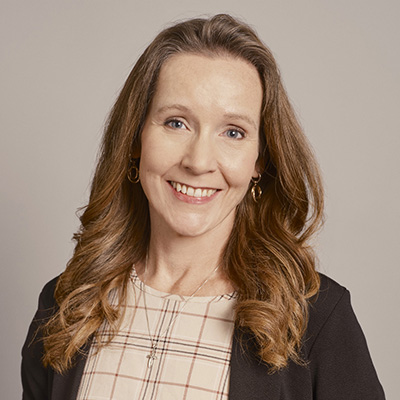
Georgia Leonard
Georgia Leonard is MGT’s GIS Director and holds both an MBA and the Geographic Information Systems Professional (GISP) certification. She specializes in leveraging ArcGIS Pro and SchoolSite Pro for district-wide planning, enrollment forecasting, and school boundary analysis. Her Track A sessions are hands-on from the first hour — attendees work through real district data, building the spatial workflows they will take home and deploy immediately.
The problem she solves
Districts hold rich spatial data but lack the GIS skills to analyze it. Enrollment projections live in spreadsheets with no map, and boards challenge proposals because the numbers have no visual backing.
How she solves it
Georgia teaches planners to build ArcGIS Pro and SchoolSite Pro workflows from scratch — turning raw parcel and enrollment data into defensible, board-ready spatial analysis that districts own in-house.
- Introduction to SchoolSite Pro & GIS
- Geocoding & Data Hygiene
- Creating & Editing Attendance Boundaries
- Visualizing Demographic Data
- SchoolSite Locator & Web Apps
- Building Redistricting Scenarios

Chris Griego
Chris Griego is Senior Vice President of K-12 Facilities at MGT. Based in Tampa, he brings a local perspective to SPC26’s first East Coast edition. Chris specializes in facility aging cycles, capital improvement planning, and the demographic analysis that drives long-range facilities decisions. As both keynote speaker and Track B facilitator, he sets the strategic context for the entire conference before leading attendees through the forecasting methodology they need to do this work themselves.
The problem he solves
Districts make capital investment decisions based on facility condition alone — without connecting building lifespan to enrollment trajectories. Schools get renovated just as enrollment declines.
How he solves it
Chris teaches planners to layer capital improvement cycle data with enrollment forecasts, producing Master Plans that sequence facility investment to match where students will actually be.
- Opening Keynote: Connecting Enrollment Data to Facility Decisions
- Demographics 101 & Cohort-Survival Method
- 10-Year Long-Range Planning
- Presenting Data to the Board

Marci Horner
Marci Horner combines school planning, GIS analysis, and demographic expertise to tackle the most politically sensitive work in K-12: capacity utilization, school consolidations, redistricting, and safety mapping. Her focus is the human element — helping districts understand that the data is only part of the challenge. How it is communicated to parents, boards, and communities often determines whether a sound plan succeeds or collapses in a public meeting.
The problem she solves
Boundary adjustments and consolidations are technically supported by data but politically explosive. Districts have the analysis but not the framework to present it in a way communities can engage with.
How she solves it
Marci teaches planners to build community-ready consolidation and capacity analyses that lead with the human questions first — so the technical rigor is presented in a form people can actually engage with.
- Defining Capacity & Utilization Analysis
- The Lifecycle of a School Closure
- Redistricting: Balancing Politics and Data
- Community Engagement Strategies
- Equity in Facility Planning
- Master Planning Wrap-Up
Supporting Instructors & Guest Presenters
Ten additional practitioners join the SPC26 team across the GIS lab, guest presentations, forecasting sessions, and school safety workshops.

Lorne Woods is MGT’s K-12 demographer and the forecasting practitioner behind Track B’s hands-on methodology sessions. He specializes in cohort-survival analysis, student yield factors, birth rate trends, and building long-range enrollment projections that hold up under board scrutiny. The methods taught in Track B are the same ones he uses daily in client engagements across the country.

Jazmine Lewis is a Planning Analyst at MGT supporting Track A’s GIS and spatial analysis curriculum. Her work focuses on translating raw enrollment and parcel data into actionable spatial workflows — helping district planners build the day-to-day GIS skills that reduce reliance on outside consultants.

Cynthia Sok is a Planning Analyst at MGT contributing to Track A’s spatial analysis and boundary planning sessions. She brings hands-on experience with school attendance zone modeling and GIS data workflows, supporting attendees as they apply ArcGIS Pro and SchoolSite Pro to their own district data.
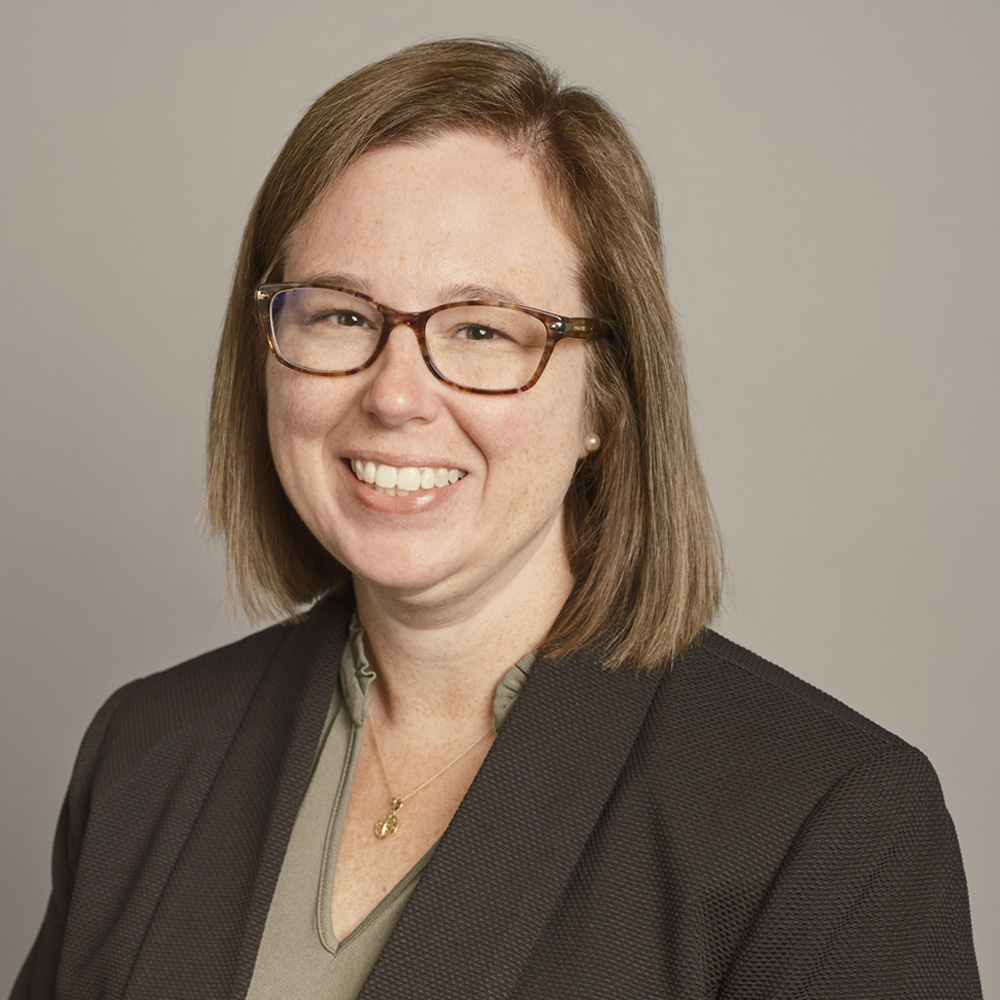
Morgan Runion is SPC26’s presentation content manager for Track A. She ensures deliverables from subject matter experts are polished and ready for primetime — giving SMEs room to develop their content while making sure the final product lands. Her background in spatial data management and facilities project execution keeps Track A sessions running at a high standard.

Rob Tanner connects enrollment forecasting directly to the facility planning and investment decisions that districts must make in response — grounding Track B’s demographic methodology in operational and financial reality. His background in facility infrastructure planning and education solutions brings the decision-maker’s perspective to the forecasting process.

Dr. Richards brings the superintendent and district leadership viewpoint to SPC26’s long-range planning conversations. His Ed.D. and practitioner background ground the forecasting methodology in the real decisions that school boards must ultimately make and defend to their communities.
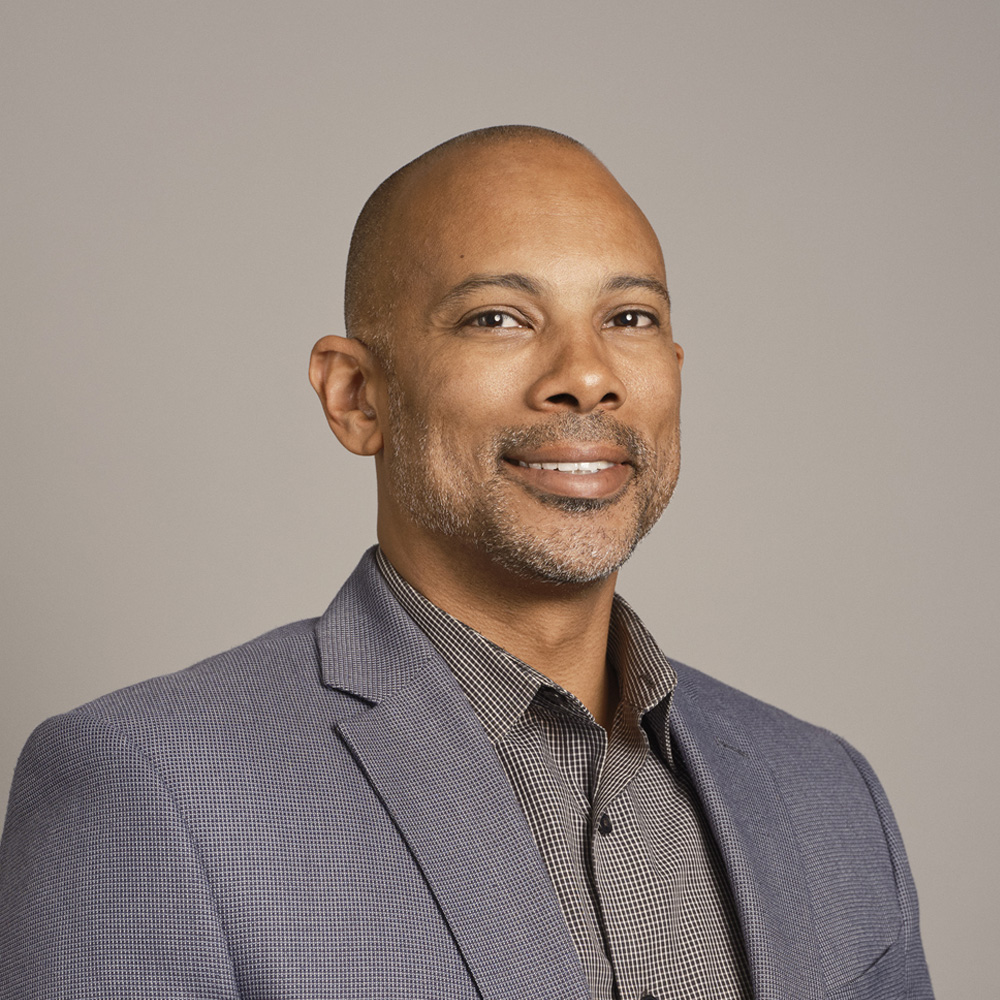
Isaac Johnson is MGT’s GIS Director and brings the spatial analysis dimension to Track C’s capacity and safety sessions. His expertise connects facility utilization data to geographic context — helping districts see where capacity pressures and safety planning needs are concentrated across their attendance zones.

David Kaitz contributes to Track C’s Friday safety sessions, bringing practitioner perspective on digital and behavioral threat assessment, school security technology, and the integration of physical facility design with modern safety systems. He co-leads the Open-Panel on School Safety alongside Marci Horner.
Michael Taylor contributes to Track C’s capacity and consolidation methodology sessions. His work supports districts navigating the operational side of facility planning — from utilization baselines through Master Plan development and implementation planning.
Learn Directly from the People Doing This Work
Register for SPC26 and spend four days working through real K-12 planning challenges alongside 13 of the most experienced school planners, GIS analysts, demographers, and safety specialists in the country.