
Capacity, Consolidation
& Safety
Capacity utilization analysis, school consolidation planning, redistricting, equity in facility decisions, and school safety — led by Marci Horner with Isaac Johnson and David Kaitz.
The Data Is Only Half the Story
Track C tackles the most politically sensitive work in K-12 planning — capacity utilization, school consolidations, boundary adjustments, and safety. Marci Horner’s approach starts with the human element: who is affected, what alternatives were considered, and why this decision is the right one for students.
The technical content is rigorous across all four days. But in Track C, the emphasis is always on how that analysis gets communicated to the people who will have to live with the outcome — and on Friday, how physical facility design integrates with modern security technology.
- Establish accurate building capacity baselines using multiple methodologies
- Calculate and visualize utilization rates to identify under- and over-utilized facilities
- Navigate the full lifecycle of a school closure or consolidation
- Develop board policy frameworks to guide redistricting decisions
- Model grade configuration scenarios and their capacity impact
- Structure community engagement for boundary changes and consolidations
- Apply equity analysis to ensure closure decisions don’t disproportionately affect subgroups
- Integrate physical facility design with digital and behavioral threat assessment
Who Should Attend Track C
- Facilities directors managing underenrolled or aging buildings
- Planners facing consolidation or boundary realignment decisions
- School safety coordinators and district emergency management staff
- GIS analysts supporting safety or facility planning teams
- Anyone who needs to communicate hard planning decisions to communities
- Superintendents and board staff navigating Master Plan development
Marci’s approach to Track C is built on one principle: the data earns its authority through how it is communicated. The analysis in this track is as rigorous as any other — but every session also covers how to present findings in a way that communities can actually engage with.
The Full Four-Day Schedule
Day One · Tuesday, June 23
Capacity baselines, utilization analysis, and the lifecycle of a school closure
C1: Defining Capacity — Functional vs. Design
After this session you will be able to distinguish between functional and design capacity, select the appropriate methodology for your district context, and establish a defensible baseline for all subsequent utilization analysis.
C2: Utilization Analysis & Efficiency Metrics
After this session you will be able to calculate utilization rates by school, visualize under- and over-utilized facilities spatially, and build the efficiency analysis that forms the foundation for consolidation and closure recommendations.
C3: The Lifecycle of a School Closure
After this session you will be able to walk through the full step-by-step process for evaluating schools for potential consolidation or closure, from data collection through board presentation and community communication.
C4: Policy Frameworks for Redistricting
After this session you will be able to draft board policies and establish “Golden Rules” to guide capacity decisions — creating the governance structure that makes redistricting processes more predictable and defensible.
Day 1 Wrap-up & Q&A
Day Two · Wednesday, June 24
Consolidation strategies, scenario planning, redistricting politics, and transportation
C5: Strategies for School Consolidation
After this session you will be able to apply operational and educational criteria for merging school populations effectively — covering staffing models, program alignment, building assignment, and how to maintain academic quality through the transition.
C6: Scenario Planning — “What-If” Analysis
After this session you will be able to model the capacity impact of grade configuration changes — for example, shifting from K–5 to K–6 — and use those scenarios to stress-test consolidation options before presenting them to stakeholders.
C7: Redistricting — Balancing Politics and Data
After this session you will be able to navigate the political landscape of moving students and closing schools, manage stakeholder pressure, and keep the data-driven process intact when community opposition intensifies.
C8: Transportation & Capacity
After this session you will be able to analyze how capacity decisions ripple into bus routing and walk zones — and factor transportation cost and logistics into consolidation and boundary recommendations from the start.
Day 2 Wrap-up & Q&A
Day Three · Thursday, June 25
Community engagement, equity, implementation, and Master Plan synthesis
C9: Community Engagement Strategies
After this session you will be able to design and facilitate town halls and public input sessions for boundary changes — structuring the process so community concerns are heard, documented, and reflected in the final recommendation.
C10: Equity in Facility Planning
After this session you will be able to apply an equity lens to utilization and closure decisions — identifying whether proposed changes disproportionately affect specific student subgroups and building that analysis into the official recommendation.
C11: Implementation — The First Year
After this session you will be able to manage the post-decision transition including grandfathering clauses, staff reassignment, family communication, and the logistics that determine whether a well-designed consolidation actually succeeds in practice.
C12: Master Planning Wrap-Up
After this session you will be able to synthesize capacity analysis, facility condition data, and educational adequacy assessments into a coherent Master Plan — the document that translates Track C methodology into a board-ready long-range facilities strategy.
Day 3 Wrap-up & Q&A
Day Four · Friday, June 26
School safety — digital threat assessment, AI security trends, and the open safety panel
C13: Protecting Your Most Important Assets
After this session you will understand today’s safety and security landscape for K-12 facilities — including digital and behavioral threat assessment frameworks, AI trends in school security, and how to address cyber threats as part of a comprehensive school safety strategy.
Morning Break
C14: Open-Panel on School Safety
This interactive panel brings together security experts, IT directors, and planners to discuss the integration of physical facility design with modern security technology. Bring your district’s safety questions — this session is built around live discussion.

Marci Horner
School Planner, GIS Analyst & Demographer, MGT
Track C LeadMarci Horner
Marci Horner combines school planning, GIS analysis, and demographic expertise to tackle the most politically sensitive work in K-12: capacity utilization, school consolidations, redistricting, and safety mapping. Her focus is the human element of these decisions. She works with districts to understand that the data is only part of the challenge — how it is communicated to parents, boards, and communities often determines whether a sound plan succeeds or collapses in a public meeting.
The problem she solves
Boundary adjustments and consolidations are technically supported by data but politically explosive. Districts have the analysis but not the framework to present it in a way communities can engage with — and decisions stall or fail at the board level.
How she solves it
Marci teaches planners to build community-ready consolidation and capacity analyses that lead with the human questions first — who is affected, what alternatives were considered, and why — so that the technical rigor lands in a form people can actually engage with.
Supporting Presenters
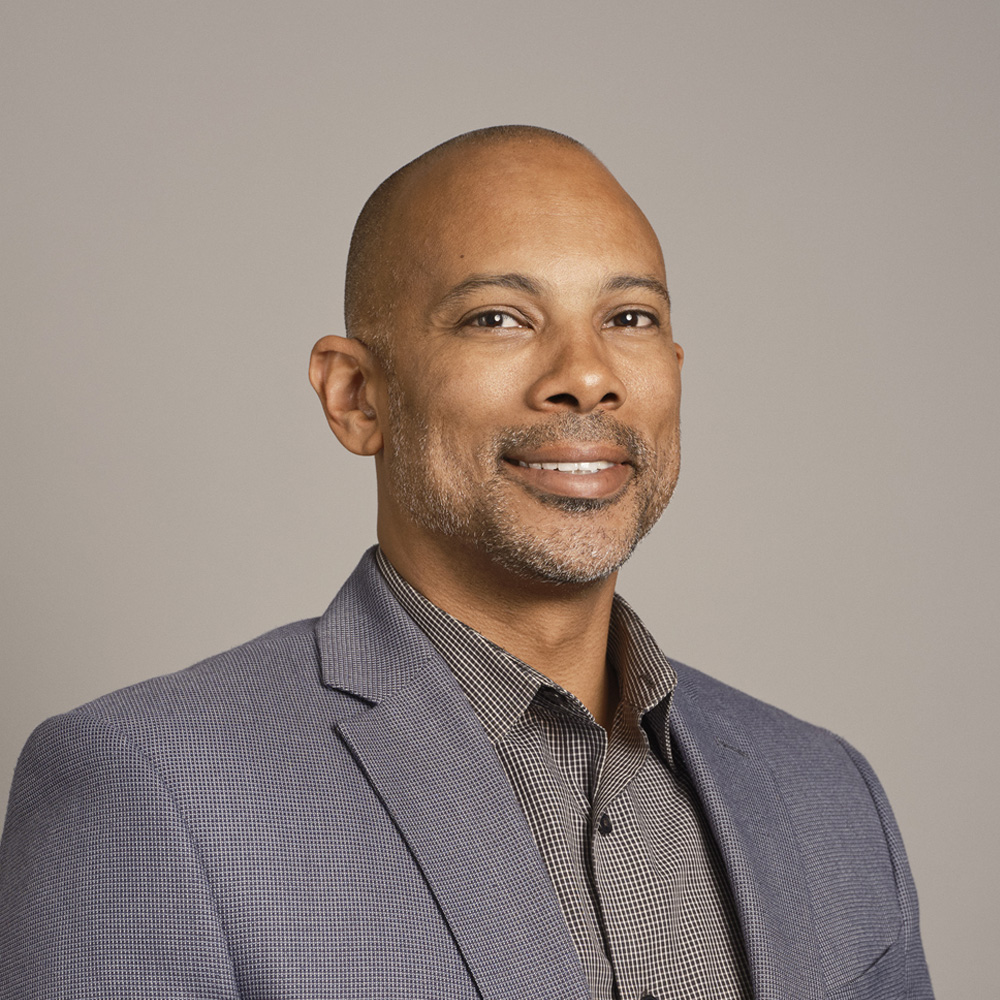
Supporting Presenter · Track C
Isaac Johnson
GIS Director, MGT
Isaac Johnson is MGT’s GIS Director and brings the spatial analysis dimension to Track C’s capacity and safety sessions. His expertise connects facility utilization data to geographic context — helping districts see where capacity pressures and safety planning needs are concentrated across their attendance zones.

Supporting Presenter · Track C
David Kaitz
School Safety Specialist, MGT
David Kaitz contributes to Track C’s Friday safety sessions, bringing practitioner perspective on digital and behavioral threat assessment, school security technology, and the integration of physical facility design with modern safety systems. He co-leads the Open-Panel on School Safety alongside Marci Horner.
Track C Lead
Michael Taylor
Michael Taylor is an Associate in Facilities at MGT and contributes to Track C’s capacity and consolidation methodology sessions. His work supports districts navigating the operational side of facility planning — from utilization baselines through Master Plan development.
The Stakes of Getting It Right
GIS-based safety plans give first responders spatial context they cannot get from a PDF floor plan. Districts that share indoor maps with law enforcement respond faster during critical incidents.
The majority of districts that send a planner to SPC come back the following year. Track C’s practical, community-focused approach is one of the most cited reasons attendees return.
A GIS-backed boundary proposal built using SPC methodology was approved at the first board presentation — the first time that had ever happened for a district that attended Track C.
How to Prepare for Track C
No specific software is required before the conference. Setup instructions for any tools used in hands-on sessions are sent to registered attendees four weeks before the event.
Know your utilization numbers
Pull your current enrollment by school and your official capacity figures. Any format works. The session covers how to set up the analysis from whatever data you have.
Think about a real scenario
Track C is most valuable when you arrive with a specific consolidation, boundary, or safety planning question your district is actively facing. Marci builds sessions around real problems.
No prior planning experience required
Track C starts from fundamentals on Day One. Whether you’re new to facility planning or a veteran navigating a contentious consolidation, the methodology and frameworks here will sharpen your process.
Your registration covers all three tracks
Track A: GIS Hands-On Training
ArcGIS Pro and SchoolSite Pro for K-12 planners — spatial data, boundary mapping, geocoding, and board-ready map outputs. Led by Georgia Leonard, MBA, GISP.
View Track ATrack B: K-12 Forecasting and Planning
Cohort-survival methodology, student yield factors, birth rate trends, and building board-ready demographic studies. Led by Chris Griego, SVP K-12 Facilities.
View Track BReady to Tackle the Hardest Work in K-12 Planning?
Register for SPC26 and spend four days building the capacity analysis, consolidation, redistricting, and safety skills that make the difference when decisions are difficult.